In today’s fast-paced service environment, time is the most valuable currency a customer possesses. Long, disorganized queues are more than just an inconvenience—they are a direct threat to customer loyalty, staff morale, and your bottom line. Studies consistently show that perceived wait times directly impact customer satisfaction, often more than the actual service duration itself. When customers feel lost in chaotic lines, they leave frustrated, and sometimes, they leave for good.
Across Pakistan’s major metropolitan centers—Rawalpindi, Lahore, and Karachi—organizations are waking up to a fundamental truth: managing customer flow is not just about logistics; it is about respect for the customer’s time. This realization has fueled the rapid adoption of technology-driven solutions, positioning the queue management system as an essential tool for any customer-facing business in the country’s busiest cities.
This comprehensive guide explores the transformative power of queue management technology across Rawalpindi, Lahore, and Karachi, and why The Nextgen Technologies should be your trusted partner in this journey.
Understanding Queue Management Systems: The Foundation of Customer Experience
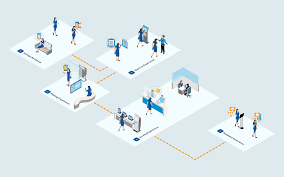
A modern queue management system (QMS) is a technology-driven solution designed to control customer flow, reduce congestion, and optimize service efficiency . It includes digital ticketing, real-time monitoring, automated notifications, and smart analytics to improve service delivery across multiple touchpoints.
Common types of queue management systems include:
- Linear Queues: Customers wait in a single queue and are served in order
- Virtual Queues: Customers take a digital ticket and receive real-time updates on their turn
- Self-Service Kiosks: Customers select their required service and receive a queue number
- Appointment-Based Systems: Customers book appointments in advance to avoid waiting
Benefits of Queue Management Systems
The advantages of implementing a professional QMS extend across the entire organization :
Reduced Wait Times: QMS helps minimize wait times by efficiently organizing customers and optimizing service delivery. With AI-driven solutions, wait times can be reduced by up to 52%.
Enhanced Customer Experience: Customers appreciate a well-organized queue system that reduces frustration and improves service speed. Perceived fairness, with the “first-come, first-served” principle visibly enforced, eliminates perceptions of favoritism.
Increased Operational Efficiency: By automating customer flow, businesses can serve more people in less time, boosting productivity. Real-time dashboards allow supervisors to identify bottlenecks immediately and redirect resources where needed most.
Improved Staff Performance: Employees freed from the stressful task of managing irate customers or enforcing order can focus entirely on providing quality service, leading to higher job satisfaction and better customer interactions.
Real-Time Data and Analytics: QMS provides valuable insights into customer flow, peak hours, and service performance. Historical analytics reveal peak hours, average service times by transaction type, and seasonal patterns that inform staffing decisions.
Queue Management System in Rawalpindi: The Emerging Digital Frontier
Rawalpindi, a rapidly growing city adjacent to the capital, has witnessed an increasing demand for queue management solutions across various sectors . As the city modernizes its infrastructure, businesses and government institutions are embracing digital solutions to serve citizens more effectively.
Healthcare Sector Transformation
In a significant development for Rawalpindi’s healthcare landscape, Shaheed Benazir Bhutto Hospital (BBH) installed a digital token system to ease the pressure of long queues for laboratory tests . The system features four categories—men, women, senior citizens, and government officials—ensuring organized service delivery for all patient types.
BBH Medical Superintendent Dr. Rafique Akhtar noted that managing long queues during peak hours has always been a huge problem. The installation of the automated token queue management system would not only help ease the woes of the patients to a considerable extent, but also help improve operational efficiency of the staff .
Banking and Financial Services
Banks in Rawalpindi use QMS to reduce long waiting lines and provide seamless services to customers . With the growing demand for banking services across the city, efficient queue management has become essential for maintaining customer satisfaction and competitive positioning.
Government Service Centers
Services like passport offices and NADRA centers in Rawalpindi use QMS to streamline application processing . These high-volume facilities serve thousands of citizens daily, and organized queuing ensures fair, transparent service delivery while reducing stress for both staff and visitors.
Retail and Commercial Applications
Retailers in Rawalpindi adopt QMS to improve checkout experiences and reduce congestion during peak hours . Shopping malls, supermarkets, and popular retail chains recognize that efficient checkout directly impacts customer satisfaction and repeat business.
Queue Management System in Lahore: Managing the Megacity’s Service Demands
As one of Pakistan’s largest and busiest cities, Lahore requires advanced queue management solutions to handle exceptionally high customer volumes across diverse sectors .
Healthcare Innovation at Jinnah Hospital
In a landmark development for Lahore’s healthcare sector, Punjab Health Minister Khawaja Salman Rafique announced the activation of a Queue Management System at Jinnah Hospital Lahore . The system, being implemented with support from the Punjab Information Technology Board (PITB), will significantly ease the process for patients and improve service delivery.
The health minister stated that, in line with the vision of Chief Minister Maryam Nawaz, the government is focused on maximizing patient facilities in public hospitals . This initiative represents a major step forward in modernizing Lahore’s healthcare infrastructure and improving patient experiences.
Academic Research and Optimization
The Combined Military Hospital (CMH) in Lahore has been the subject of academic research focused on queue optimization. A comprehensive study utilized data envelopment analysis (DEA) to develop a combined queuing-DEA model evaluating patient wait times across different outpatient departments .
The research identified inadequate availability of personnel as the critical issue for long wait times, along with overcrowding and variable arrival patterns of walk-in patients. The model displayed the “required” number of personnel corresponding to different wait times, providing vital information for administrators to control queues pre-emptively and minimize wait times with optimal staff allocation .
Transportation and Air Travel
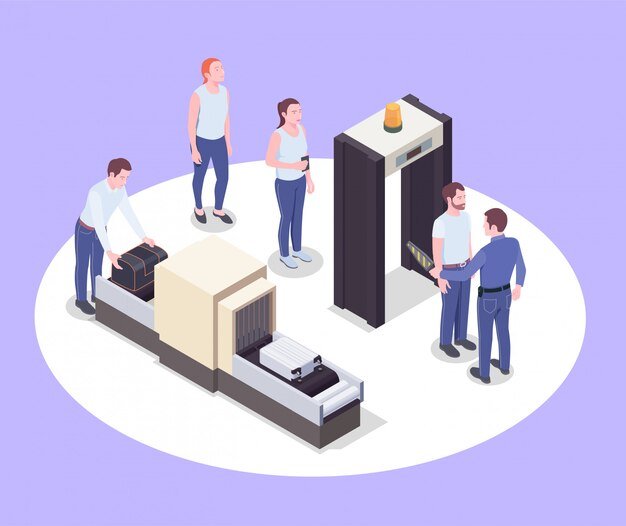
Allama Iqbal International Airport uses QMS for smoother passenger check-in and security clearance . With millions of travelers passing through annually, efficient queue management is essential for maintaining positive traveler experiences and operational efficiency.
Educational Institutions
Many universities in Lahore have implemented QMS for student admissions, fee payments, and administrative tasks . These systems reduce congestion during peak registration periods and improve the overall student experience.
Retail and Food Service
Lahore’s shopping centers integrate QMS to enhance customer convenience and optimize service counters . Popular fast-food brands in Lahore use digital queue systems to manage dine-in and takeaway orders efficiently, reducing wait times during busy periods.
Queue Management System in Karachi: Pakistan’s Economic Hub Goes Digital
Karachi, Pakistan’s largest city and economic hub, has a massive population that necessitates efficient queue management across multiple sectors .
Logistics and Port Operations
QICT (Qasim International Container Terminal) has taken the lead in developing Pakistan’s first and only dedicated truck parking area that eliminates waiting and improves traffic flow throughout Port Qasim . This innovative Gate Management System systematically manages pre-gate parking queues and facilitates online document processing, eliminating delays by enabling customers to conveniently upload documents from their offices and receive timely approvals directly on their dashboard.
From self-service kiosks to online payments and electronic delivery orders, this system simplifies logistics and accelerates trade while making a lasting positive impact on the community and region .
Automotive Service Excellence
Suzuki Carachi Motors, one of Pakistan’s top three Suzuki dealerships with three locations across the country, implemented Wavetec’s Enterprise Queue Management system to manage customer flow during peak hours . The system was deployed at Carachi Motors’ largest facility in Karachi to manage and organize the flow of customers coming in for after-sales services or vehicle repairs.
The results were transformative: customer flow during peak hours became very manageable, the new queuing workflow ensured optimal service time and quality, and customer satisfaction increased as a direct result of smooth customer flow and service .
As Mr. Shehzad Siddique, Assistant Manager After Sales, noted: “Wavetec’s queuing solution that was deployed at our service center has addressed the problems and the solution has proven to be effective in managing the people, reducing wait times and customer overlapping resulting in eradicating the chances of mismanagement of visitors” .
Healthcare and Diagnostic Centers
Leading hospitals and laboratories in Karachi use digital QMS to manage patient flow and reduce wait times . With the city’s massive population, efficient healthcare queuing is essential for ensuring timely access to medical services.
Government Service Centers
Karachi’s immigration offices, licensing authorities, and other public offices use QMS to facilitate smoother operations . These facilities serve millions of citizens annually, and organized queuing ensures fair, efficient service delivery.
Telecommunications and Corporate Services
Major telecom companies in Karachi use QMS to manage customer service interactions and sales transactions . Corporate offices and workplaces use queue management software to streamline HR and customer service departments, improving efficiency across the organization.
How to Implement an Effective Queue Management System
To ensure a successful QMS implementation, businesses should consider the following best practices :
1. Assess Business Needs
Determine the specific needs of your business and select a queue management system that aligns with your customer flow patterns, peak hours, and service requirements.
2. Choose the Right Technology
Opt for digital solutions such as self-service kiosks, mobile queue apps, and AI-powered queue management that offer scalability and integration capabilities with existing systems.
3. Train Staff Efficiently
Provide proper training to employees to handle the QMS effectively and ensure smooth operations. Staff should understand both the technical aspects and the customer service implications of the new system.
4. Use Data Analytics
Leverage real-time data insights to optimize service efficiency and make informed business decisions. Historical data reveals patterns that inform staffing decisions and process improvements.
5. Ensure Customer Engagement
Keep customers informed with real-time queue status updates via SMS, mobile apps, or display screens. Transparency reduces anxiety and improves perceived service quality.
The Future of Queue Management Systems in Pakistan
The demand for digital queue management solutions in Pakistan is expected to grow rapidly in the coming years . Key future trends include:
AI-Powered Queue Management: Artificial intelligence will enhance customer flow predictions and automate queue handling, reducing wait times by up to 52%.
Mobile App Integration: Businesses will integrate QMS with mobile apps, allowing customers to join virtual queues remotely, receive notifications, and manage their place in line from anywhere.
Contactless and Self-Service Solutions: Self-check-in kiosks and contactless payment systems will further optimize queue management, reducing physical contact and improving hygiene.
Cloud-Based Queue Systems: Cloud-based solutions will enable businesses to manage queues remotely across multiple locations, providing seamless customer experiences and centralized oversight.
Biometric and Facial Recognition Technology: Future queue systems may incorporate biometric authentication for faster and more secure customer identification, streamlining the service process.
The Nextgen Technologies: Your Trusted Partner for Queue Management Solutions in Pakistan
When it comes to implementing a world-class queue management system in Rawalpindi, Lahore, or Karachi, the technology partner you choose matters as much as the equipment itself. thenextgentechnologies has established itself as a premier provider of integrated technology solutions across Pakistan, with the expertise and local presence to ensure your queue management transformation succeeds.
Why Choose The Nextgen Technologies?
Deep Regional Expertise: We understand the unique challenges faced by Pakistani organizations across banking, government, healthcare, and retail sectors. Our solutions are specifically selected and configured for success in the local operating environment.
End-to-End Solution Integration: A queue management system is more than the sum of its components. We provide comprehensive solutions that integrate ticket dispensers, digital signage, staff terminals, central software, and analytics into a seamless operational ecosystem.
Cutting-Edge Technology Partnerships: We partner with world-leading manufacturers to bring the latest innovations to Pakistan. Our solutions incorporate the same technology trusted by major banks, government institutions, and healthcare providers nationwide.
Local Support and Maintenance: Technology investments require ongoing support to deliver maximum value. Our team provides responsive installation, training, and maintenance services across Rawalpindi, Lahore, Karachi, and other major Pakistani cities, ensuring minimal downtime and maximum operational efficiency.
Customized Solutions: We recognize that every organization has unique requirements. Whether you need a single-location system for a clinic or an enterprise-wide deployment across dozens of branches, we tailor our solutions to your specific needs.
Our Commitment to Your Success
At The Nextgen Technologies, we don’t just sell equipment—we build partnerships. We invest time in understanding your specific operational challenges, customer demographics, and growth objectives. This consultative approach ensures that every solution we deliver contributes meaningfully to your business success.
The queue management represents one of the most significant opportunities for improving customer satisfaction and operational efficiency in the Pakistani market. With the right technology partner, you can transform your service environment from a source of frustration into a competitive advantage.
Visit our website at thenextgentechnologies.com to explore our comprehensive range of queue management solutions and connect with our expert team. Whether you’re opening a new branch in Rawalpindi, upgrading an existing operation in Lahore, or expanding across Karachi, we have the expertise and resources to support your success.
Conclusion: The Future of Queue Management in Pakistan’s Major Cities
The transformation of customer service across Rawalpindi, Lahore, and Karachi is well underway. From hospitals implementing digital token systems to airports streamlining passenger flow and automotive service centers optimizing customer experiences , queue management technology is proving essential for delivering the experiences that modern customers expect.
The evidence speaks for itself: Jinnah Hospital Lahore is implementing QMS with government support , BBH Rawalpindi has transformed laboratory services with digital tokens , QICT Karachi has revolutionized port logistics with gate management systems , and Suzuki Carachi Motors has significantly improved customer satisfaction through organized queuing .
For businesses in Rawalpindi, Lahore, and Karachi, the message is clear: investing in queue management technology is investing in customer loyalty, operational efficiency, and long-term competitiveness. The organizations that organize their queues thoughtfully are the ones that customers will choose, again and again.
The time to modernize your customer flow is now. Partner with The Nextgen Technologies and take the first step toward transforming your service environment for the demands of 2026 and beyond.
Frequently Asked Questions (FAQs)
1. What industries benefit most from queue management systems in Pakistani cities?
Industries such as banking, healthcare, retail, government services, transportation, and telecommunications benefit the most from queue management systems . In Rawalpindi, hospitals and NADRA centers are key adopters; in Lahore, airports and universities lead implementation; in Karachi, port operations and automotive service centers have seen significant improvements .
2. How does a queue management system improve customer experience in busy cities?
A QMS reduces waiting times, enhances service efficiency, provides real-time updates, and ensures a smoother customer journey . By eliminating chaotic lines and providing transparency through digital displays and notifications, customers experience less frustration and perceive service quality more positively.
3. What types of queue management systems are available for Pakistani businesses?
Common types include linear queues (single line served in order), virtual queues (digital tickets with real-time updates), self-service kiosks (touch-screen check-in), and appointment-based systems (pre-booked service slots) . Each type suits different operational needs and customer volumes.
4. How can businesses in Rawalpindi, Lahore, and Karachi implement an effective queue management system?
Businesses should assess their specific needs, invest in digital solutions appropriate for their scale, train staff thoroughly, use data analytics for continuous improvement, and engage customers through mobile apps or display screens . Partnering with experienced providers like The Nextgen Technologies ensures successful implementation.
5. What is the future of queue management in Pakistan’s major cities?
The future includes AI-powered queue management for predictive flow handling, mobile app integration for remote queuing, contactless self-service solutions, cloud-based systems for multi-location management, and biometric technology for faster customer identification . These advancements will further enhance efficiency and customer satisfaction across Rawalpindi, Lahore, and Karachi.